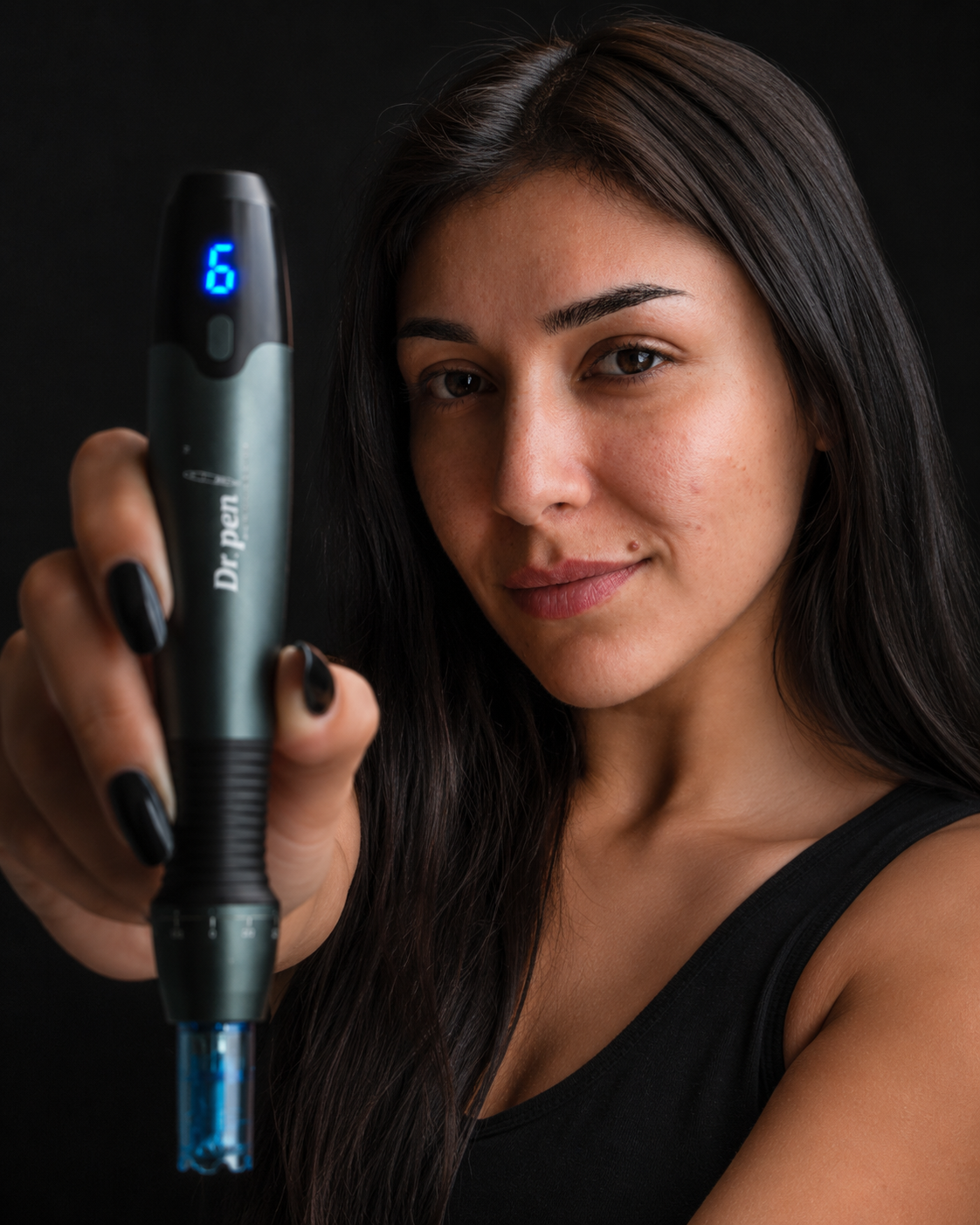
If dermapen infusion has appeared in your skincare research, you are probably looking for a treatment that does more than apply serum on top of the skin. The appeal is simple: a pen-style device creates tiny channels in the skin surface while a compatible serum is applied during treatment, so your routine feels more targeted than a standard facial.
That does not mean it belongs in every routine or that it should replace medical care for acne, scars, melasma or inflammatory skin conditions. Searchers often use “dermapen” as shorthand for pen-style microneedling, but the right choice depends on your skin goals, your tolerance for downtime, the device design, the cartridge type and how carefully you handle hygiene.
What dermapen infusion means in practical skincare
In everyday use, dermapen infusion usually refers to serum-infusion microneedling: a pen-style device uses fine needles or nano tips while a selected serum is delivered across the treatment area. Unlike a traditional serum step, where product sits on the surface and absorbs gradually, infusion-style treatments are designed to pair controlled skin stimulation with immediate topical application.
The key distinction is depth. Classic microneedling focuses on collagen induction by creating controlled micro-injuries. Nano needling or shallow infusion is often used for a gentler glow-focused routine, especially when the goal is hydration, smoothness or radiance rather than deeper texture remodeling. If you are choosing between tips, Dr. Pen Store’s guide to micro-needles vs nano-needles explains how each option fits different skin goals.
The appeal of dermapen infusion is that it can make an active skincare session feel more efficient, but it also raises the stakes. Product selection, cartridge sterility and aftercare matter more when the skin barrier has been temporarily disrupted.
Who is most likely to benefit?
This approach tends to suit people who already have a consistent basic routine and want to add a periodic treatment for texture, dullness, enlarged-looking pores, fine lines or post-blemish unevenness. It may also appeal to skincare users who want a more spa-like treatment at home, provided they are willing to follow strict cleaning, cartridge and post-care rules.
Dermapen infusion is not a first step for irritated skin. If your barrier is stinging from over-exfoliation, retinoids, sunburn or harsh acne products, adding needles or nano tips can make irritation worse. Build a calm baseline first: cleanser, moisturizer, sunscreen and well-tolerated actives before you add device-based treatments.
You should avoid microneedling or get medical clearance first if you have active skin infection, open wounds, active acne in the treatment area, a history of keloid scarring, uncontrolled eczema, psoriasis flare-ups or are using medications that affect healing. The FDA’s microneedling device overview also notes that these devices can carry risks such as infection, pigmentation changes and tissue injury if used improperly.
If you are unsure whether your skin type or concern is appropriate, the Dr. Pen Store article on who is suitable for micro needling is a useful place to start before buying a device.
How dermapen infusion fits into a skincare routine
Think of this as an occasional treatment step, not a daily serum upgrade. Most routines work best when infusion sessions are spaced out and supported by gentle skincare before and after. Your regular routine should do the boring work: cleansing without stripping, hydrating consistently and protecting skin with broad-spectrum sunscreen.
Before a session, pause strong exfoliating acids, retinoids and potentially irritating actives according to your skin’s tolerance and any device guidance. On treatment day, cleanse thoroughly and use only compatible, clean products intended for this type of use. Afterward, keep the routine simple while the skin looks pink, tight or sensitive.
For many users, dermapen infusion fits best as a “treatment night” within a broader monthly skincare plan. It should not be stacked with peels, scrubs, aggressive retinoids or high-strength brightening formulas on the same day.
Serum choice matters more than people think
Not every serum belongs near freshly treated skin. Fragrance, essential oils, exfoliating acids, strong retinoids and unknown actives can trigger irritation when the barrier is temporarily more vulnerable. Hydrating formulas are usually the most sensible starting point, especially products centered on ingredients such as hyaluronic acid or barrier-supporting humectants.
Avoid trying to force fast results by layering multiple actives. If your goal is pigmentation or acne scarring, you may still need a separate long-term plan that includes sunscreen, pigment-safe ingredients and possibly professional dermatology care.
Device and cartridge choice
A serum-infusion pen is different from a standard microneedling pen because its design supports product flow during treatment. For example, the Hydra Pen H6 Advanced Serum Infusion Microneedling Pen with Light Therapy is positioned for serum-infusion microneedling and includes red and blue LED light therapy, which may appeal to users who want a more comprehensive treatment format.
Choose the device and cartridges based on your use case, not on the most intense setting available. Shallow cosmetic treatments, nano-style infusion and deeper microneedling are not interchangeable.
| Routine goal | Better fit | What to keep in mind |
|---|---|---|
| Hydration and glow | Nano tips or shallow infusion | Lower downtime, but results are usually subtle |
| Texture and fine lines | Microneedling cartridges | Requires stricter aftercare and more recovery time |
| Acne-prone appearance | Blue light feature may be of interest | Do not treat over active inflamed acne |
| Redness-prone skin | Conservative settings | Test tolerance and avoid aggressive stacking |
| Scarring concerns | Professional guidance may be better | Deeper work carries more risk |

Benefits, limits and realistic expectations
The best-case scenario is not overnight skin transformation. A good session may leave the skin looking fresher once temporary redness settles, but collagen remodeling and texture improvement take time. For many people, visible change is gradual and depends on consistency, needle depth, skin condition and aftercare.
Dermapen infusion may help your routine feel more targeted because it combines device stimulation with topical application. It can be a strong fit for people who dislike complicated multi-step treatments yet want something more advanced than a weekly mask.
The limits are just as important. It will not replace prescription acne treatment, erase deep scars in one session, tighten significant laxity or make sunscreen optional. It can also create problems if used too often, too deeply or with irritating serums. If you want a timeline for what changes can look like after treatment, Dr. Pen Store’s guide to dermapen before and after results by week gives a more realistic view of gradual progress.
At-home use vs professional treatment
At-home skincare devices can be convenient, but professional treatment has advantages when the concern is deeper scarring, more advanced photoaging, melasma, medical acne or skin of color with a higher risk of post-inflammatory hyperpigmentation. A trained professional can assess whether microneedling is appropriate, choose safer parameters and respond if the skin reacts unexpectedly.
Dermapen infusion at home makes the most sense for conservative cosmetic goals and for users who are disciplined about hygiene. That means using new sterile cartridges, not sharing devices, not reusing needle cartridges and keeping treatment areas clean. If any part of that feels like too much work, a professional facial or clinic treatment may be the safer route.
There is also a middle ground. Some users keep at-home treatments gentle and reserve deeper procedures for a licensed provider. This can be a sensible way to maintain glow without taking unnecessary risks.
Safety checklist before you add it to your routine
Before you decide, look at your skin honestly. Is it calm, intact and tolerant of your current products? Are you willing to stop irritating actives around treatment days? Do you understand the difference between temporary redness and a reaction that needs attention?
Use this quick checklist before starting dermapen infusion:
- Your skin is not sunburned, infected or actively inflamed.
- You have fresh, compatible cartridges for your device.
- Your treatment area, hands and device surfaces are clean.
- Your serum is simple, compatible and free from obvious irritants.
- You have gentle moisturizer and sunscreen ready for aftercare.
- You are not treating before a major event, beach trip or intense workout day.
If you are new to device-based skincare, start more conservatively than you think you need. You can always build experience over time, but you cannot undo an overly aggressive first session.
A simple decision guide
The easiest way to decide is to match the treatment to your real skincare behavior, not your idealized routine. If you already forget sunscreen, frequently over-exfoliate or switch products every week, focus on routine stability first. Devices work best when the basics are already consistent.
Dermapen infusion is probably a good fit if you want a periodic treatment for radiance, mild texture or serum-focused skincare and you are comfortable following precise instructions. It may be the wrong fit if you want fast scar correction, dislike downtime, have active inflammatory skin conditions or are unwilling to use single-use cartridges properly.
| If this sounds like you | Best next step |
|---|---|
| You want glow and hydration | Consider nano or shallow infusion with gentle serum |
| You want to treat deeper scars | Speak with a licensed professional first |
| You have active breakouts | Wait until active inflammation is controlled |
| You are new to microneedling | Learn the basics and start conservatively |
| You already use retinoids or acids | Plan a pause around treatment days |
The best routine is not the most advanced one. It is the one your skin can recover from predictably.
Frequently Asked Questions
Is dermapen infusion the same as microneedling? Not exactly. It is usually a serum-infusion version of pen-style microneedling, often using shallow needles or nano tips to pair topical application with controlled skin stimulation.
Can I use any serum with a serum-infusion pen? No. Avoid fragrance, essential oils, exfoliating acids, retinoids and harsh actives during treatment. Start with simple hydrating formulas that are compatible with your device and skin type.
How often should I do it? Frequency depends on the cartridge type, depth, device guidance and your skin’s recovery. Shallow cosmetic sessions are typically spaced differently than deeper microneedling, so follow the instructions for your specific device and do not treat irritated skin.
Does it hurt? Shallow infusion or nano-style treatments are usually more comfortable than deeper microneedling, but sensitivity varies by area and person. Discomfort, redness and tightness can occur.
Can I do dermapen infusion before an event? Avoid trying it for the first time right before an event. Skin may look red, tight or flaky as it recovers, and you need time to see how your skin responds.
Choosing your next step
If you want a more targeted skincare session and your skin is calm enough for device-based treatment, serum-infusion microneedling can be a useful addition. The safest path is to choose a genuine device, use the right cartridges, keep your serum simple and treat recovery as part of the result.
Dr. Pen Store focuses on genuine Dr. Pen devices, replacement cartridges and practical guidance, so you can compare options without guessing. If a serum-infusion format sounds right for your goals, start by reviewing the Hydra Pen H6 product details and make sure the device, cartridges and aftercare match the routine you can follow consistently.