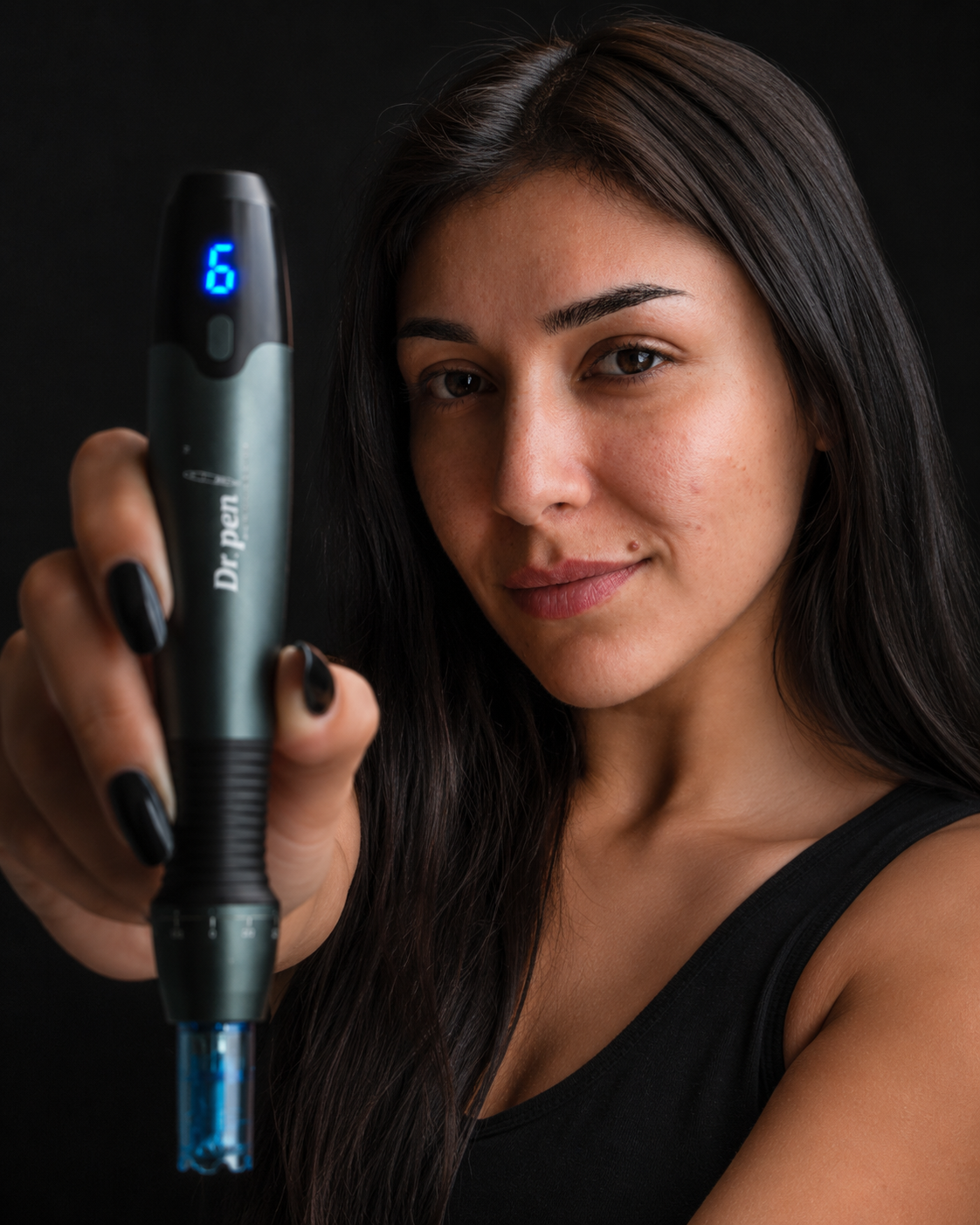
If you're comparing clinic microneedling with buying your own device, skin pen cost can look simple at first: one option has a per-session price and the other has a product price. The real decision is broader. You are paying for professional supervision, sterile setup, time, cartridges, aftercare products, convenience and the level of treatment your skin goal requires. A clinic may be better for deeper acne scar work or higher-risk skin, while owning a genuine microneedling pen may make sense for careful, ongoing cosmetic maintenance. This guide breaks down both sides so you can estimate the true cost before you book, buy or upgrade.
What skin pen cost really includes
A skin pen is a microneedling device designed to create controlled microchannels in the skin. Some people use skin pen as a generic phrase for a microneedling pen, while SkinPen is also the name of a specific professional device brand used in clinics. That difference matters because a professional SkinPen appointment and ownership of an at-home microneedling pen are not the same purchase.
When you compare the two, you are not just comparing a device to a treatment. You are comparing a service model with an ownership model.
| Cost category | Clinic treatment | Device ownership |
|---|---|---|
| Main payment | Per appointment or package | Device purchase plus supplies |
| Supervision | Performed by a trained provider | User is responsible for safe use |
| Consumables | Usually included in session price | Cartridges, aftercare and cleaning supplies purchased separately |
| Scheduling | Appointment based | Flexible timing at home |
| Best fit | Higher-risk concerns, deeper treatments and professional assessment | Conservative cosmetic maintenance and repeat use when appropriate |
The cheaper option on paper is not always the better value. Your skin type, goals, comfort level and willingness to follow instructions can change the answer.
Clinic treatment pricing: what the session fee covers
In a clinic, skin pen cost is mostly a service price. You are paying for the provider's assessment, the procedure room, sterile supplies, professional technique and aftercare instructions. Many US dermatology offices and med spas quote conventional facial microneedling in the low hundreds to several hundred dollars per session, with common planning ranges around $200 to $700 or more per facial treatment in 2026. RF microneedling, PRP, PRF and other add-ons can increase the total substantially.
Most people are not quoted for just one treatment. Clinics often recommend a series, especially for acne scars, enlarged pores, texture, fine lines or collagen remodeling. A package can lower the per-session price, but it raises the upfront commitment.
For broader market context, Dr. Pen Store has a separate guide to facial microneedling cost in 2026 that looks at treatment pricing factors in more detail.
Why clinic sessions can be worth the premium
The main advantage is clinical judgment. A trained provider can evaluate contraindications, choose a depth, respond to irritation and decide when microneedling is not appropriate. That matters if you have active acne, rosacea flares, a history of keloids, pigmentation risk, recent isotretinoin use, blood-thinning medication, eczema or an uncertain skin lesion.
You are also paying for access to treatments that should not be done casually at home. More aggressive scar revision, deeper needling and combination treatments require a higher safety standard than basic cosmetic maintenance.
Device ownership: what you buy once and what you keep buying
With ownership, skin pen cost shifts from a session fee to an equipment and supplies budget. The device is the obvious purchase, but the recurring cost is what determines the long-term value. A genuine microneedling pen must be paired with compatible sterile cartridges, and those cartridges are single-use. Reusing cartridges is not a cost-saving strategy. It increases the risk of dull needles, contamination, uneven injury and poor results.
Your ownership budget may include the device, replacement cartridges, gentle cleanser, alcohol for surfaces, disposable gloves, hydrating post-care products, sunscreen and shipping. If you plan to treat more than one area, you may also use more cartridges over time.
Device prices vary by model, retailer, promotions and included cartridges, so the best comparison is not device price alone. Look at total ownership across the first 6 to 12 months. If you are shopping, this guide on choosing a new skin pen without overpaying explains why authenticity, cartridge availability and support are part of the price.
What ownership gives you
Owning a device gives you flexibility. You can schedule maintenance around your calendar, build a consistent routine and avoid paying a clinic fee every time you want a light cosmetic session. For experienced users who follow hygiene and depth guidelines, that convenience can be valuable.
The tradeoff is responsibility. You need to understand your device, use the correct cartridge, avoid unsafe skin conditions and follow post-treatment care. Ownership is not a shortcut around safety.
Break-even math for clinic treatment vs owning a device
A practical skin pen cost calculation starts with one question: how many professional sessions would you otherwise book in the next year? If you only want one treatment before an event, a clinic appointment may be simpler. If you expect a series of treatments and long-term maintenance, the ownership side may become more attractive.
Use this formula as a starting point:
Estimated clinic total = session price x number of sessions + add-ons + travel or time cost
Estimated ownership total = device price + cartridges + skincare supplies + shipping + any replacement parts
Because device prices and cartridge bundles change, use your actual cart total rather than a generic number. For clinic treatment, use a written quote from a local provider.
| Example clinic session price | 3 sessions | 6 sessions | 8 sessions |
|---|---|---|---|
| $250 per session | $750 | $1,500 | $2,000 |
| $400 per session | $1,200 | $2,400 | $3,200 |
| $600 per session | $1,800 | $3,600 | $4,800 |
This table is not a quote. It shows how quickly repeat appointments add up. A device owner still has recurring cartridge and care costs, but the spending pattern is different: higher setup cost, lower per-use supply cost.

Results, safety and control matter as much as price
The lowest skin pen cost is not always the best value if it leads to the wrong treatment intensity or poor technique. Microneedling creates controlled skin injury, which means cleanliness, needle depth, cartridge quality and aftercare matter. The FDA overview of microneedling devices notes potential risks such as infection, skin damage and irritation when devices are not used properly.
A clinic can adjust the treatment based on your response. At home, you need to be more conservative and stop if the skin reacts badly. Do not microneedle over active acne, open wounds, irritated rashes, sunburn, infections, raised moles or suspicious lesions. If you have a medical condition or are unsure whether microneedling is suitable, ask a qualified professional first.
If you are specifically weighing professional SkinPen appointments against personal devices, the comparison in SkinPen microneedling vs at-home pens explains how supervision, cost and use cases differ.
When a clinic is usually the better value
Choose a clinic when your concern is severe, your skin is reactive or your treatment requires medical judgment. Deep acne scars, significant pigmentation risk, aggressive collagen induction and combination treatments are better evaluated by a professional.
A clinic may also be better if you do not want to manage sanitation, cartridge selection or post-care yourself. In that case, the higher session fee buys peace of mind and accountability.
When ownership can make sense
Owning a genuine microneedling pen can make sense if you want repeated cosmetic maintenance, understand the safety basics and are willing to buy the correct sterile cartridges. It is often most appealing for people who prefer flexibility and expect to use the device over many months.
The value improves when you choose a model you can actually maintain. Cartridge compatibility, genuine replacement stock and clear instructions matter more than chasing the lowest device price.
Hidden costs that change the total
Several hidden variables can make skin pen cost rise or fall after the initial decision. This is where many buyers under-budget. A cheap appointment can become expensive after add-ons, and a cheap device can become frustrating if cartridges are hard to find or the seller cannot verify authenticity.
Before deciding, account for these common extras:
- Consultation fees that may not be included in a clinic's advertised session price
- Numbing cream, PRP, PRF, RF microneedling or premium serum add-ons
- Time off work, transportation, parking or childcare for appointments
- Replacement cartridges for every at-home session
- Gentle cleanser, barrier repair products and broad-spectrum sunscreen
- Shipping, taxes and possible import duties for device orders
- Replacement costs if a device is counterfeit, unsupported or incompatible with available cartridges
The last point is important. Counterfeit or unverifiable devices can look cheaper, but the risk is not limited to the purchase price. Poor fit, inconsistent needle movement and lack of support can make the entire setup more expensive over time.
How to estimate your own 12-month microneedling budget
To estimate skin pen cost for your routine, build a simple 12-month plan instead of judging the first purchase alone. Start with your goal. Someone treating mild texture every few months has a different budget from someone considering scar revision or clinic add-ons.
Use the worksheet below with your real quotes and cart totals.
| Budget line | Clinic plan | Ownership plan |
|---|---|---|
| Initial payment | Consultation or first session | Device plus starter supplies |
| Repeat cost | Each additional appointment | New sterile cartridges and post-care |
| Frequency | Provider recommendation | Conservative schedule based on instructions |
| Add-ons | PRP, RF, numbing or premium products | Skincare, sunscreen and cleaning supplies |
| Risk control | Professional supervision | User education, hygiene and authentic cartridges |
| Convenience | Travel and appointment time | At-home setup and cleanup time |
If the clinic total is close to the ownership total, safety and confidence should decide. If ownership is much lower over 12 months and your skin goal is appropriate for at-home use, a genuine device may be a practical investment.
Frequently Asked Questions
What is the average skin pen cost in 2026? For clinic microneedling, many US providers quote roughly $200 to $700 or more per facial session, depending on location, provider type and add-ons. Device ownership varies by model and cartridge use, so calculate the device, replacement cartridges and skincare supplies together.
Is buying a microneedling pen cheaper than clinic treatment? It can be cheaper over time if you plan repeated conservative sessions and use the device safely. It may not be cheaper if you only need one treatment, buy incompatible cartridges or end up needing professional correction for irritation.
How many clinic sessions does it take to break even? The break-even point depends on your local session price and your actual device setup cost. Compare three to six clinic sessions against the device, cartridges and supplies you would need for the same year.
Can an at-home pen replace professional microneedling? Not always. At-home use is better suited to cautious cosmetic maintenance. Deeper treatments, higher-risk skin concerns and combination procedures should be handled by a qualified professional.
What should I avoid when trying to save money? Do not reuse cartridges, buy unverifiable devices, skip aftercare or use aggressive needle depths to get faster results. Those shortcuts can increase risk and cost more in the long run.
Make ownership simpler
If the ownership side makes sense for your goals, buy from a source that prioritizes authenticity, compatible cartridges and support. Dr. Pen Store focuses on genuine Dr. Pen devices and cartridges, including options such as the FDA-cleared A20, plus replacement cartridges and skincare products for responsible use.
The best value is not the lowest sticker price. It is the setup you can verify, maintain and use safely over time.